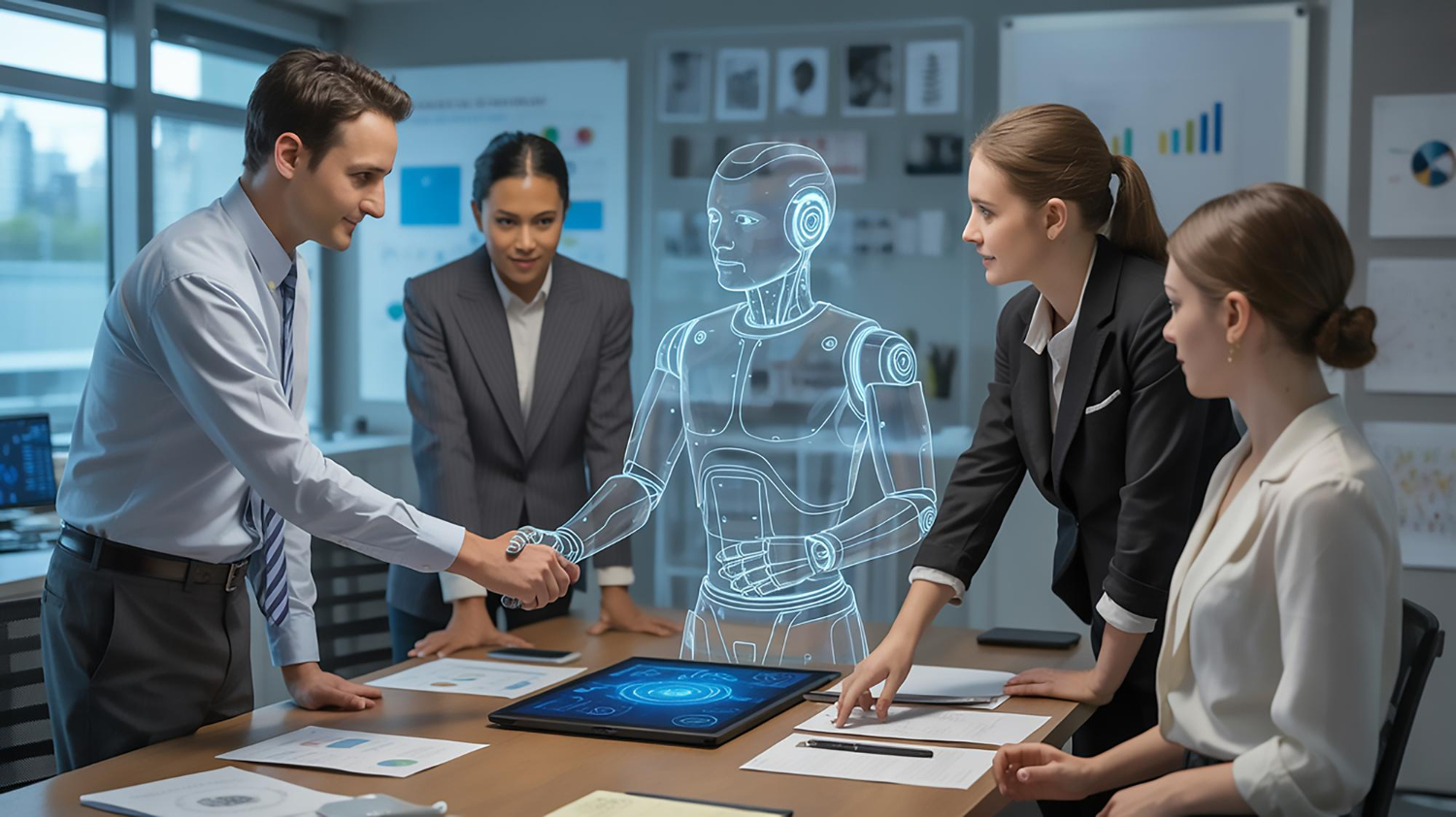
AI Is Not Replacing HR.
It is replacing HR teams that refuse to adapt.
In 2026, artificial intelligence in HR is no longer a futuristic concept. It is embedded in recruitment automation, predictive workforce analytics, employee engagement tools, payroll systems, and performance management platforms.
The real disruption is not AI itself.
The disruption is happening between HR teams that understand AI‑driven workflows and those that do not.
Organisations adopting AI‑powered HR technology are reducing time‑to‑hire, improving workforce planning accuracy, eliminating bias, and scaling faster. Meanwhile, companies that fail to upskill HR teams are struggling with tool confusion, poor adoption, compliance gaps, and strategic misalignment.
If your HR team is still operating in a manual, reactive mode, 2026 will be uncomfortable.
Let us break down how to prepare HR teams for AI‑driven workflows practically, strategically, and competitively.
The Shift: From Administrative HR to Intelligent Workforce Strategy
Traditional HR focused on process execution:
- Resume screening
- Interview coordination
- Payroll processing
- Documentation management
AI‑driven HR focuses on intelligence:
- Predictive hiring analytics
- Skill‑based candidate matching
- Attrition forecasting
- Real‑time compliance monitoring
- Workforce cost optimization
This shift demands more than software implementation. It requires HR professionals to become data‑aware, automation‑literate, and strategically aligned with business growth.
Companies that integrate AI into HR without upskilling their teams often face resistance, misinterpretation of analytics, and dependency on external consultants.
The solution is simple: Upgrade before you automate further.
Why AI Upskilling Is a Business Imperative in 2026
AI adoption in HR impacts multiple layers of an organisation:
- Talent acquisition strategy
- Diversity and bias control
- Workforce planning and forecasting
- Compliance and governance
- Leadership decision‑making
Without AI literacy, HR teams cannot validate automated hiring decisions. They cannot identify algorithmic bias. They cannot interpret predictive dashboards. And they cannot confidently align HR strategy with business KPIs.
Forward‑thinking companies are investing in HR digital transformation programmes that include structured AI training.
This is where intelligent hiring platforms like Talent31 play a strategic role.
Talent31 enhances HR judgement through AI‑driven hiring intelligence, enabling teams to move beyond guesswork and operate with predictive clarity.
What HR Teams Must Learn to Thrive in AI‑Driven Workflows
Upskilling HR for AI does not mean teaching them coding. It means building capability across four practical areas.
First, HR professionals must understand how AI‑powered recruitment tools function. This includes skill‑matching algorithms, resume parsing logic, candidate ranking systems, and automation triggers.
Second, HR teams must develop data literacy. Reading dashboards, understanding hiring metrics, analysing acquisition trends, and translating workforce analytics into actionable insights are now core HR skills.
Third, compliance awareness must evolve. AI systems operate within legal frameworks such as labour laws, data privacy regulations, and ethical AI governance policies. HR must ensure automation aligns with these frameworks.
Fourth, strategic workforce planning becomes collaborative. HR must align with finance and leadership to ensure AI investments support growth, cost control, and global hiring strategies.
Organisations that embed these capabilities into HR training see measurable improvements in time‑to‑hire, hiring quality, and workforce scalability.
Reality: The Competitive Gap Is Widening
While some HR teams are still experimenting with AI tools, others have already integrated them into daily workflows.
They are:
- Reducing hiring cycles using intelligent screening
- Predicting attrition risks before they escalate
- Optimizing compensation strategies through data
- Scaling globally with compliance‑backed hiring models
Companies that delay AI upskilling risk falling behind in employer branding, talent acquisition efficiency, and operational agility.
AI‑ready HR teams are not replacing human judgement. They are strengthening it.
The difference between reactive HR and predictive HR will define competitive advantage in 2026.
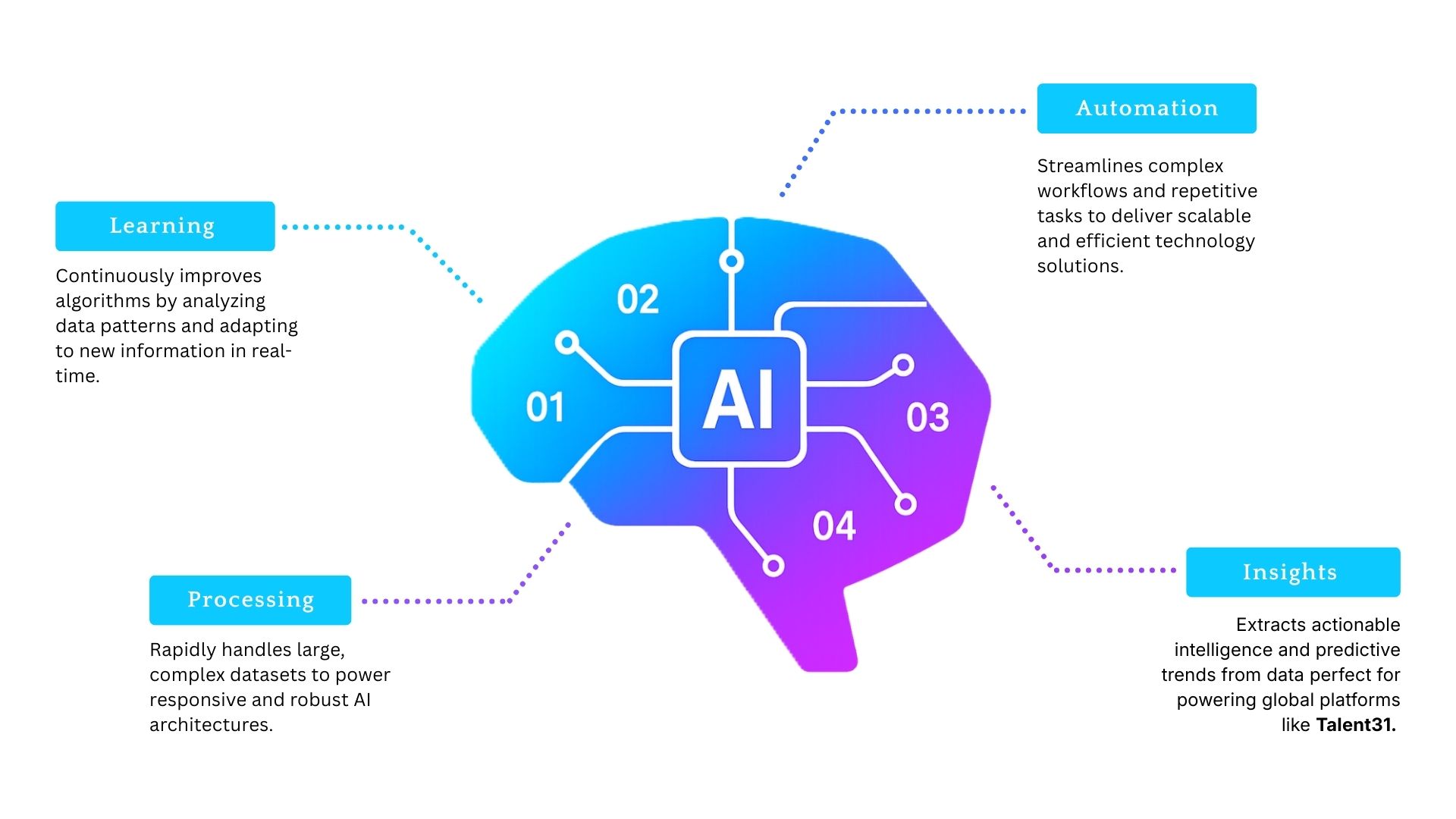
How Talent31 Enables AI‑Ready HR Transformation
Upskilling requires the right ecosystem. Tools alone are not enough.
Talent31 acts as a decision‑support layer for HR teams preparing AI‑driven workflows.
With Talent31, organisations gain:
- Intelligent candidate evaluation
- Skill‑based workforce mapping
- Compliance‑aware hiring insights
- Scalable global hiring feasibility analysis
Instead of manually screening thousands of resumes, HR professionals focus on strategic evaluation. Instead of reacting to workforce shortages, they anticipate skill gaps. Instead of making isolated hiring decisions, they align recruitment with long‑term workforce architecture.
This is AI augmentation, not blind automation.
Building a Culture That Supports AI Adoption
Technology adoption fails without mindset alignment.
HR leaders must position AI as an enabler of human potential, not a replacement mechanism. Structured training sessions, leadership communication, pilot programmes, and clear governance policies ensure a smoother transition.
AI governance frameworks must define the following:
- Human oversight in automated decisions
- Bias detection protocols
- Data privacy safeguards
- Continuous performance monitoring of AI systems
When HR teams understand these guardrails, confidence replaces resistance.
Organisations that combine AI training with platforms like Talent31 create sustainable transformation rather than temporary experimentation.
The 2026 Outlook: HR as a Strategic Intelligence Hub
By 2026, HR will no longer be evaluated on administrative efficiency alone.
It will be measured on:
- Hiring precision
- Workforce forecasting accuracy
- Compliance readiness
- Talent retention strategy
- Cross‑functional alignment
AI‑driven workflows will power these outcomes.
Companies that prepare for HR teams now will scale faster, hire smarter, and compete globally with confidence.
Those that hesitate will struggle with inefficiencies that automation could have solved.
Preparing HR teams for AI is not a technical upgrade.
It is a strategic transformation.
And with Talent31 at the centre of your hiring ecosystem, the shift becomes structured, scalable, and measurable.
Frequently Asked Questions
1. Why is AI upskilling important for HR teams in 2026?
AI upskilling ensures HR professionals can effectively use automation tools, interpret workforce analytics, reduce bias, and align hiring strategies with business objectives.
2. What skills are essential for AI‑driven HR workflows?
Data literacy, understanding of AI recruitment platforms, compliance knowledge, and strategic workforce planning are essential skills for modern HR teams.
3. How does AI improve recruitment and workforce planning?
AI enhances resume screening, predicts hiring success, identifies skill gaps, and provides real‑time workforce insights to support strategic decisions.
4. Can AI replace HR professionals?
AI augments HR roles by automating repetitive tasks, allowing professionals to focus on strategic planning, employee experience, and leadership alignment.
5. How does Talent31 support AI transformation in HR?
Talent31 provides AI‑driven hiring intelligence, compliance‑ready recruitment insights, and scalable workforce planning support.
.jpg)